I have known a great many men who were masters of their own destiny. Most of them were still deciding what to do about it when destiny got tired of waiting and moved on.
I was one of them.
For a considerable stretch of my life, I maintained what I believed to be an excellent morning routine. I would wake, reach for my phone with the practiced grace of a man who had done it ten thousand times — which I had — and proceed to hand the first forty minutes of my day to whoever had the misfortune of having emailed me the night before. My boss. A client in a panic. Seventeen news alerts about things happening in countries I couldn't find on a map. I consumed all of it with great efficiency, and by the time I put the phone down, my day had already been planned for me by people who had not once considered my personal vision for the future.
I called this being informed. Looking back, I think the more accurate term is occupied.
The curious thing about a habit is that it doesn't feel like a choice. That's rather the point. The habit simply is — like gravity, or the fact that the left sock always goes on before the right. I didn't decide to give my morning away. I had simply done it so many times that not doing it would have felt strange, and in my experience, humans will endure an astonishing amount of damage to avoid feeling strange.
The morning I finally stopped, I didn't meditate. I want to be clear about that, because the word meditation has accumulated a certain amount of luggage over the years, and I have no interest in discussing crystals or chanting. I simply sat in the part of the morning where I was still mostly asleep and asked myself one question: What does my perfect day look like?
Not my boss's perfect day. Not the algorithm's perfect day. Mine.
The answer surprised me. It did not involve email.
I will not pretend that this single adjustment transformed me into a man of serene purpose. I checked my phone again the very next morning, with all the conviction of a man who has quit smoking and is smoking while he thinks about it. But I had, at least, introduced a competing habit — and competing habits, unlike competing philosophies, can actually be settled. One of them wins. You just have to feed the right one long enough for it to stop needing to be fed.
The phone will always be there. Your morning won't.
The Lesson
Habits don't feel like choices because they've already been made — usually by a younger, less deliberate version of you who just needed something to do with his hands. The fix isn't discipline. It's replacing one automatic thing with a better automatic thing. Start with two minutes of quiet before you look at the phone. That's it. Everything else follows from there.
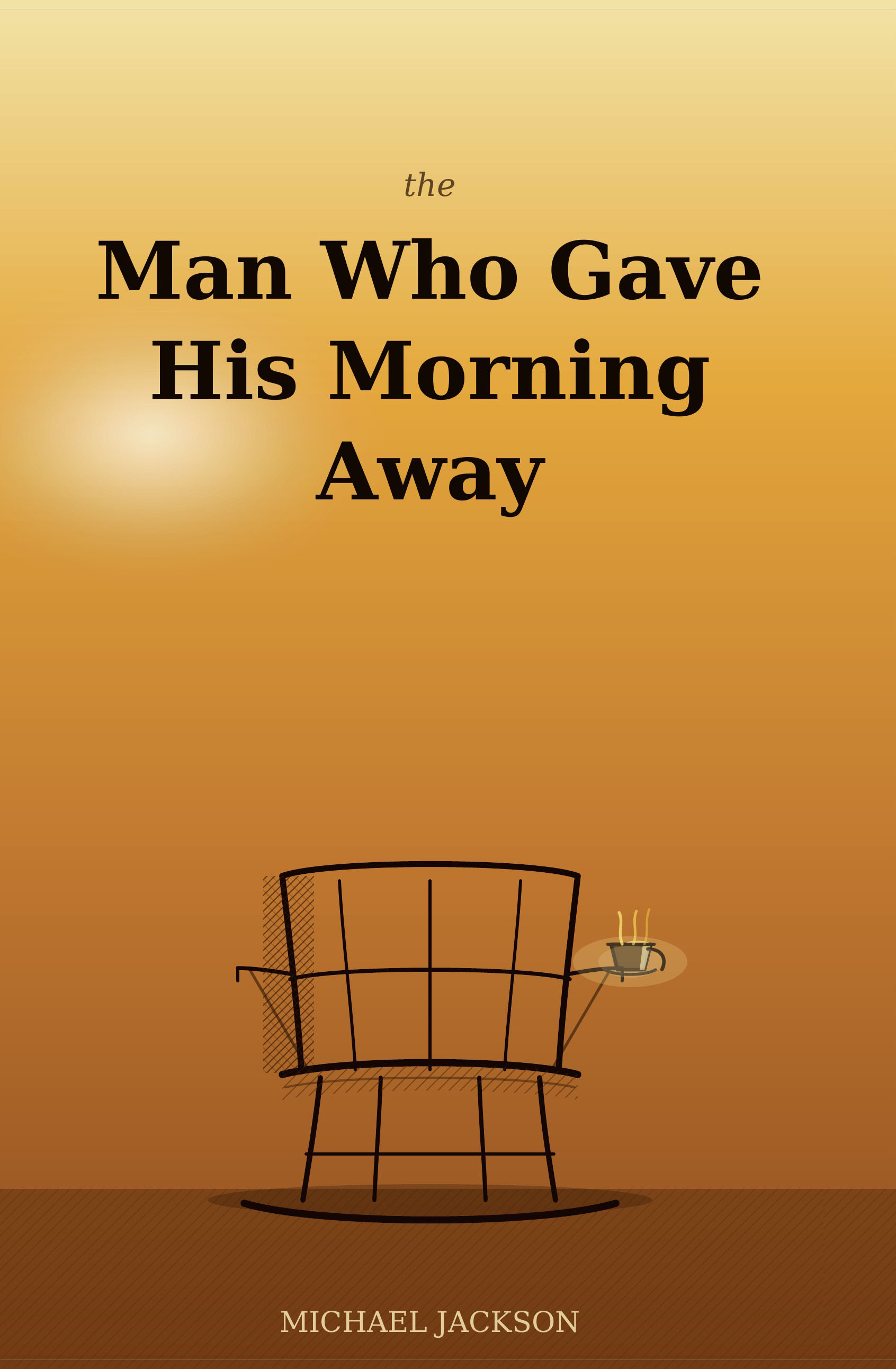
This is one of 36 stories. Each one this short. Each one this honest.
Get the Book — $9.99 on Kindle →
No Kindle? Download the free Kindle app -- reads on any phone, tablet, or computer.